
Diabetes and high blood pressure, also known as hypertension, are common health conditions that require regular monitoring and appropriate medical care. Both conditions can develop without obvious symptoms, yet uncontrolled blood sugar or blood pressure may increase the risk of heart disease, kidney problems, stroke and other complications.
If you are searching for diabetes and hypertension treatment in JP Nagar, consulting a qualified healthcare professional can help you understand your health status, monitor important readings and follow a treatment plan suited to your needs.
At Krian Healthcare, patients looking for medical guidance in JP Nagar, Bengaluru, can enquire about appropriate consultation and monitoring services for diabetes, hypertension and related health concerns.
Understanding Diabetes and Hypertension
Diabetes is a condition in which blood glucose levels remain higher than normal because the body does not produce enough insulin or cannot use insulin effectively. Over time, high blood glucose can damage blood vessels and organs.
Common symptoms may include:
Increased thirst and frequent urination
Unusual tiredness
Blurred vision
Increased hunger
Slow-healing wounds
Unexplained weight changes
Some people with type 2 diabetes experience few or no noticeable symptoms. Blood tests are therefore important for diagnosis and monitoring.
What Is Hypertension?
Hypertension occurs when blood pressure remains consistently elevated. Blood pressure measures the force of blood against artery walls and is recorded using two numbers: systolic pressure and diastolic pressure.
High blood pressure often has no obvious symptoms. Regular measurement is one of the most reliable ways to identify it.
When left uncontrolled, hypertension can increase the risk of heart attack, stroke, kidney disease and other cardiovascular complications.
Why Do Diabetes and High Blood Pressure Often Occur Together?
Diabetes and hypertension share several risk factors, including excess body weight, physical inactivity, an unhealthy dietary pattern, family history and increasing age.
When both conditions occur together, the risk of damage to blood vessels, the heart and kidneys may increase. This makes regular follow-up and coordinated management especially important.
A healthcare professional can assess your individual risk factors and recommend suitable blood glucose monitoring, blood pressure checks and other investigations.
Diabetes Treatment in JP Nagar
Effective diabetes management focuses on maintaining blood glucose within an individualized target range and reducing the risk of complications.
1. Blood Glucose Testing
A doctor may recommend tests such as:
Fasting blood glucose: Measures blood glucose after a specified period without food.
HbA1c test: Estimates average blood glucose over approximately the previous two to three months.
Other glucose tests: May be used depending on symptoms, medical history and the clinical situation.
The appropriate tests and testing frequency depend on whether diabetes has already been diagnosed and the patient’s treatment plan.
2. Healthy Eating and Lifestyle Changes
A balanced eating pattern can support blood glucose management. Helpful steps may include choosing high-fibre foods, eating appropriate portions, limiting sugary drinks and reducing excessive intake of highly processed foods.
Regular physical activity can also improve insulin sensitivity and support cardiovascular health. Exercise plans should be adapted to the individual’s age, medical conditions and physical abilities.
3. Medication and Follow-Up
Some people manage type 2 diabetes with lifestyle changes, while others need oral medication, injectable medicines or insulin. Treatment depends on individual health needs, glucose levels and other medical factors.
Regular follow-up helps assess treatment effectiveness, review side effects and determine whether adjustments are necessary. Never stop or change diabetes medication without medical advice.
Hypertension Treatment in JP Nagar
The aim of hypertension treatment is to control blood pressure and reduce the risk of long-term complications.
1. Regular Blood Pressure Monitoring
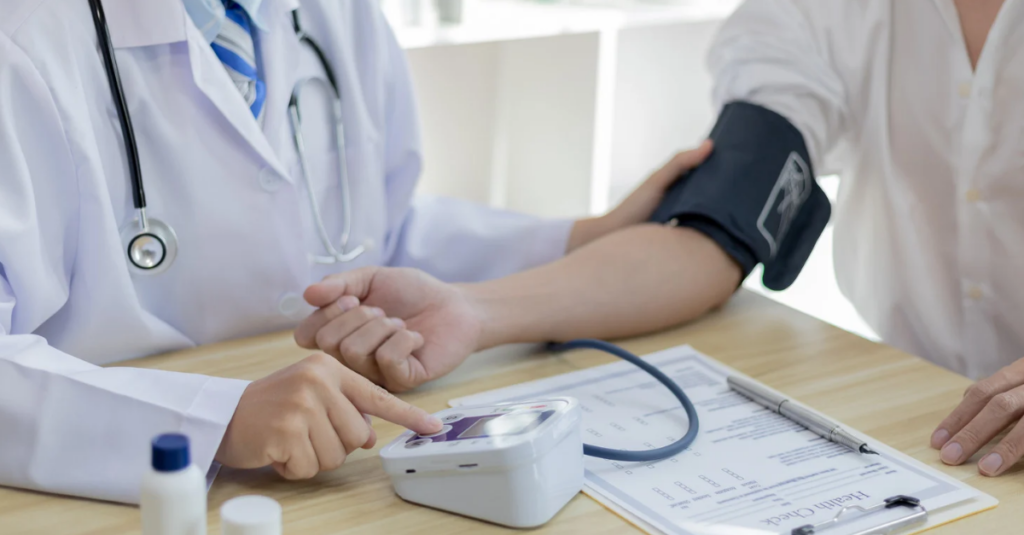
Blood pressure should be measured using an appropriate device and correct technique. A family doctor may recommend home monitoring to understand readings over time.
A single elevated reading does not always confirm hypertension. Diagnosis generally requires assessment of repeated measurements and the person’s overall clinical situation.
2. Dietary and Lifestyle Measures
Lifestyle measures that may help control blood pressure include:
Reducing excessive salt intake
Eating a balanced diet rich in vegetables and fruit
Maintaining a healthy weight
Engaging in regular physical activity
Limiting alcohol and avoiding tobacco
Maintaining consistent sleep habits
People with kidney disease or other medical conditions may need individualized dietary advice.
3. Blood Pressure Medication
When required, a healthcare professional may prescribe medication to control blood pressure. The choice depends on blood pressure levels, age, kidney function, other medical conditions and potential medication interactions.
Continue prescribed medication as directed, even when you feel well. Do not change your dose based solely on an isolated home reading.
The Importance of Regular Diabetes and BP Check-Ups
People living with diabetes, hypertension or both may benefit from a structured follow-up plan. Depending on individual risk, a doctor may recommend:
Blood glucose and HbA1c monitoring
Regular blood pressure measurements
Kidney function tests
Cholesterol testing
Urine testing for kidney-related markers
Eye examinations for diabetes-related complications
Review of medications and lifestyle habits
Not every patient needs every test at the same interval. A qualified healthcare professional can recommend an appropriate schedule based on your medical history and previous results.
When Should You Consult a Doctor?
Consider arranging a medical consultation if you have persistently elevated blood glucose or blood pressure readings, symptoms such as excessive thirst or frequent urination, a family history of diabetes, or an existing diagnosis that needs regular monitoring.
Seek emergency medical care for chest pain, severe breathing difficulty, sudden weakness, difficulty speaking or other signs of a possible heart attack or stroke. If your blood pressure is around 180/120 mmHg or higher, repeat the measurement after at least one minute; if it remains that high and you have concerning symptoms, seek emergency care immediately. Even without symptoms, contact a healthcare professional promptly for urgent guidance.